
An open archive for Tigray
Knowledge keeps a people’s story within reach.
Explore an evidence-led record of Tigray—its landscape, civilizations, communities, cultural life, recent conflict, and the work of recovery.
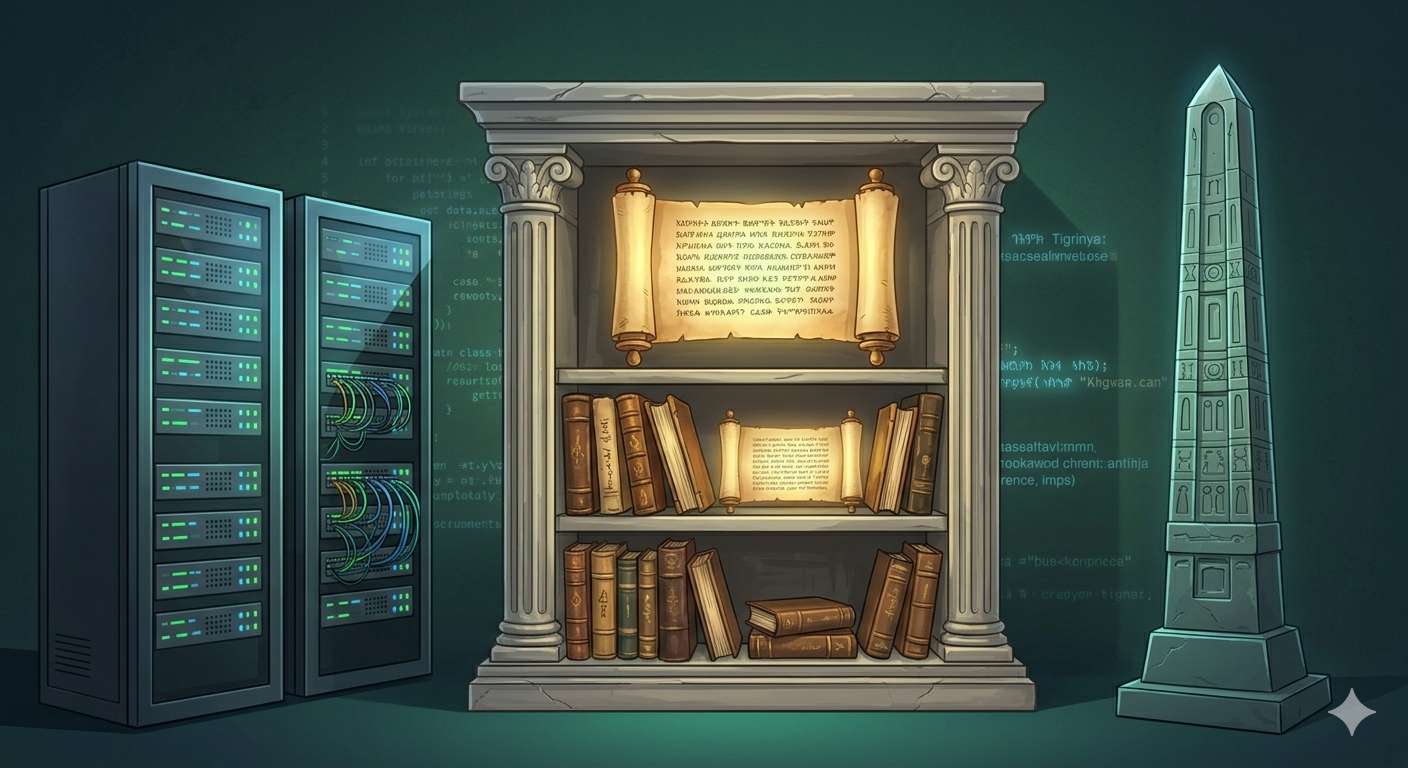
Preservation, made accessible.Sources, context, and learning resources in one place.
Living editionReviewed and expanded over time
Open accessNo paywall. Built for classrooms, newsrooms, researchers, and community.
Evidence-ledSources and uncertainty belong beside the story, not behind it.
Living archiveA record designed to grow as knowledge and documentation deepen.
Explore by subject
Start with the question you carry.
Move from the physical landscape to living culture, from ancient history to the urgent record of the present.
The land
Geography & environment
Highlands, river systems, climate, administrative regions, and interactive maps.
Explore the land → 02People & society
Communities & everyday life
Demography, education, health, livelihoods, and the institutions shaping daily life.
Explore society → 03History
From Dʿmt to the present
Ancient Aksum, medieval transformations, modern state formation, and key figures.
Explore history → 04The Tigray War
Conflict, loss & aftermath
A carefully sourced record of the 2020–2022 war, humanitarian impact, and fragile peace.
Enter the war archive → 05Culture & diaspora
Language, faith & expression
Architecture, literature, music, foodways, festivals, and communities across the world.
Explore culture → 06Research desk
Sources, maps & datasets
Curated reading, academic sources, downloadable data, GIS material, and archives.
Open resources →A place to begin
History is not background. It changes what the present means.
Trace the long arc of Tigray through turning points, institutions, people, and places—with pathways into deeper reading at every step.
Explore the history collectionFor careful research
Follow the evidence, not just the headline.
The research desk brings together starting points for further study. Use the archive as a guide, then follow citations and primary material wherever possible.
The war archive
Documentation with dignity.
The conflict collection includes accounts of violence, displacement, hunger, and loss. It is organized to support learning and accountability while respecting the people whose experiences it records.
A community resource
Help the archive become more complete.
Contribute a correction, suggest a source, help with translation, or support the work that keeps this knowledge open.